


By Rob Garner and Bellicose Bullfeather.
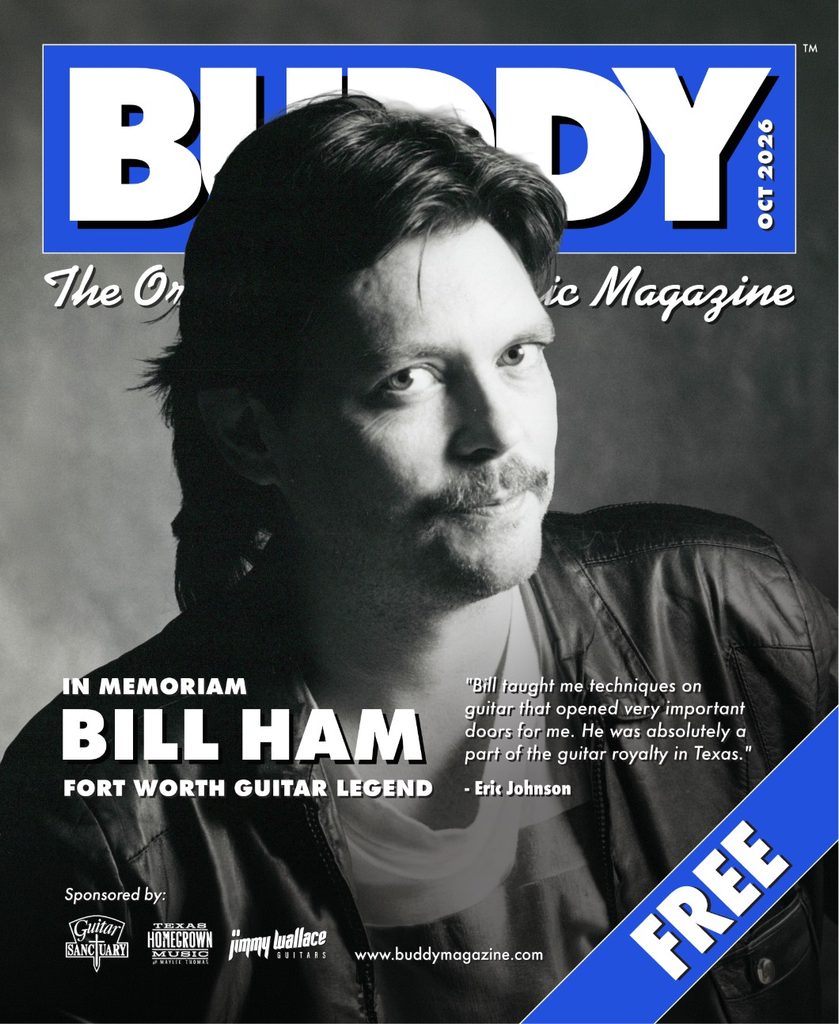
Cover photo, from the Buddy Magazine publicity image archive. All other photos courtesy of the Ham estate.
Aricle begins below after quotes.
“I met Billy Ham when I was in a band called the Electromagnets. I was taken aback by how many styles he played so well on guitar. He taught me techniques on guitar that opened very important doors for me. He introduced me to what a great guitar player Jerry Reed was, as well as Lenny Breau.
He was absolutely a part of the guitar royalty in Texas.”
Eric Johnson
“I first saw Bill on The Sonny and Cher Show with his black Les Paul, and he got my attention. Then some more friends told me he was from right here in Fort Worth, and [I] watched him there as often as I could. [He] really started to get my attention when we would go to The Hop in Fort Worth on Berry Street and see The Ham Brothers, with his brother Warren. Warren and Bill, Red Young and Darrell Norris – they were a really good band, and they were miles above anything musically that I ever have done or thought I could do. He was a great guitar player, and he will be missed…”
Buddy Whittington
Back in August, as we were preparing to do a cover story on 1990 Buddy Texas Tornado Bill Ham, we received the news that he had passed away. It is an odd shift to go from potentially quoting the living, to relying on the memories and sentiments of others. Instead, an echo of remembrances surfaced from those who knew him, or were influenced by him, and it built an even bigger picture than we would have ever imagined.
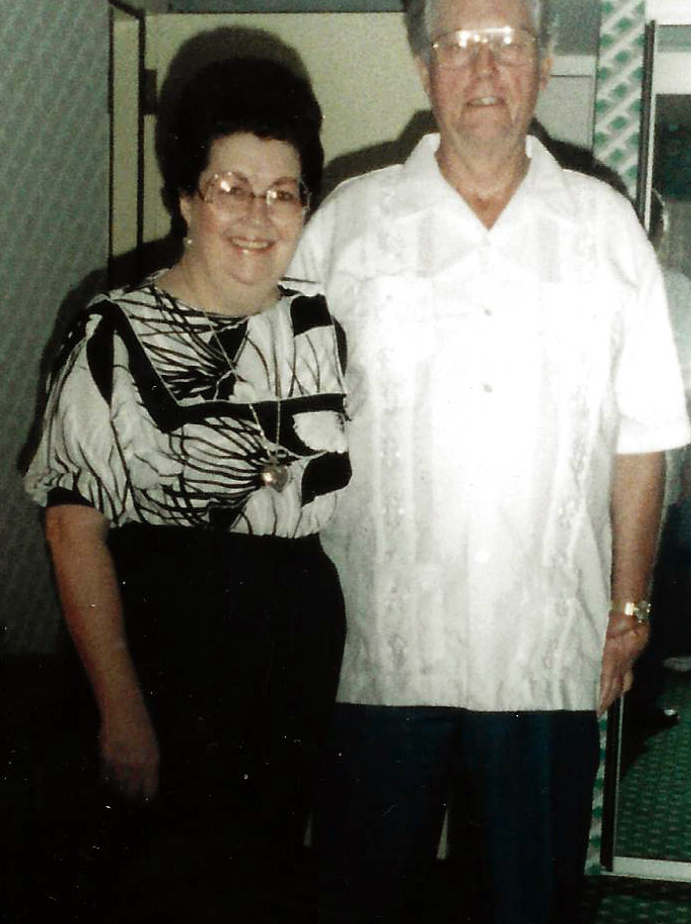
Ham has a fascinating story that intertwines with the likes of many other legendary Texas guitarists, including Buddy Whittington, and Eric Johnson, by whom he was equally revered. Not just by those “in the know,” but by the greatest Texas players themselves. And his impact wasn’t just regional, as you will read below – it intersected into different parts of American popular culture.
Ham was a working musician to the core. We heard multiple remarks from top players who knew him in his earliest years, one saying that he was among the “best in Texas”, due to his mastery of a diverse number of styles.
It is worth mentioning that Ham’s work is grossly under-documented. There is no Wikipedia page; no AllMusic profile, no Rolling Stone article. Part of this is compounded by the fact that he shares the same exact first, middle, and last name with ZZ Top’s manager and producer.
As a result, we found that even some of his guitar work is credited incorrectly to Bill Ham of ZZ Top. For example, see this Freddy Fender guitar credit on AllMusic, credited to the manager (https://www.allmusic.com/album/before-the-next-teardrop-falls-are-you-ready-for-freddy–mw0002436085 ). In fairness, Bill Ham the manager is not to blame for this – it’s just a simple case of repeated misattribution.
So with this in mind, we are presenting a legacy biography below that will help set his record straight.
Rest in peace.
Bill Ham Biography
William Mack “Bill” Ham was a Fort Worth guitarist, songwriter, touring musician, session player and teacher whose career stretched from the city’s teenage garage-rock scene of the 1960s, through decades of professional work in rock, pop, country, blues and jazz.
Ham’s musical résumé included the Nomads, Vicious Circle, the Rocks, the Yellow Payges, Bloodrock and the Ham Brothers Band, along with touring or recording work associated with Sonny & Cher, the Carpenters, Freddy Fender, Joan Armatrading and David Gates and Bread. His career took him from Fort Worth clubs to the Hollywood Bowl, major recording studios, and national and international tours, before eventually bringing him back to the North Texas music community where he began.
Ham should not be confused with another Bill Ham – the longtime manager and producer associated with ZZ Top. The two Texas music figures shared a name and worked during overlapping periods, resulting in their identities occasionally being conflated in music histories, databases and online references.
The guitarist Bill Ham was born in January 1951, and is the older brother of Fort Worth multi-instrumentalist Warren Ham, whose own career has included Kansas, Toto, and Ringo Starr’s All-Starr Band. Coincidentally, both Bills shared the same exact first, middle, and last names, as well as the spelling of those names.
Music was part of Ham’s life from childhood. His parents, Norman Neely Ham and Martha Eunice Sparkman Ham, were part of the Texas gospel-music tradition. Martha Ham was a pianist, organist, songwriter, and publisher who played for many years at Worth Baptist Temple in Fort Worth. Bill’s older brother Norman Neely Ham Jr was also a performing member of the group. For the Ham brothers, performing music was also notably a part of family life.
Ft Worth guitarists Bill Ham (R), and Clint Strong (L).
While Bill gravitated toward guitar, his younger brother Warren became known as a vocalist and multi-instrumentalist, playing saxophone, flute, harmonica, and keyboards, in addition to singing.
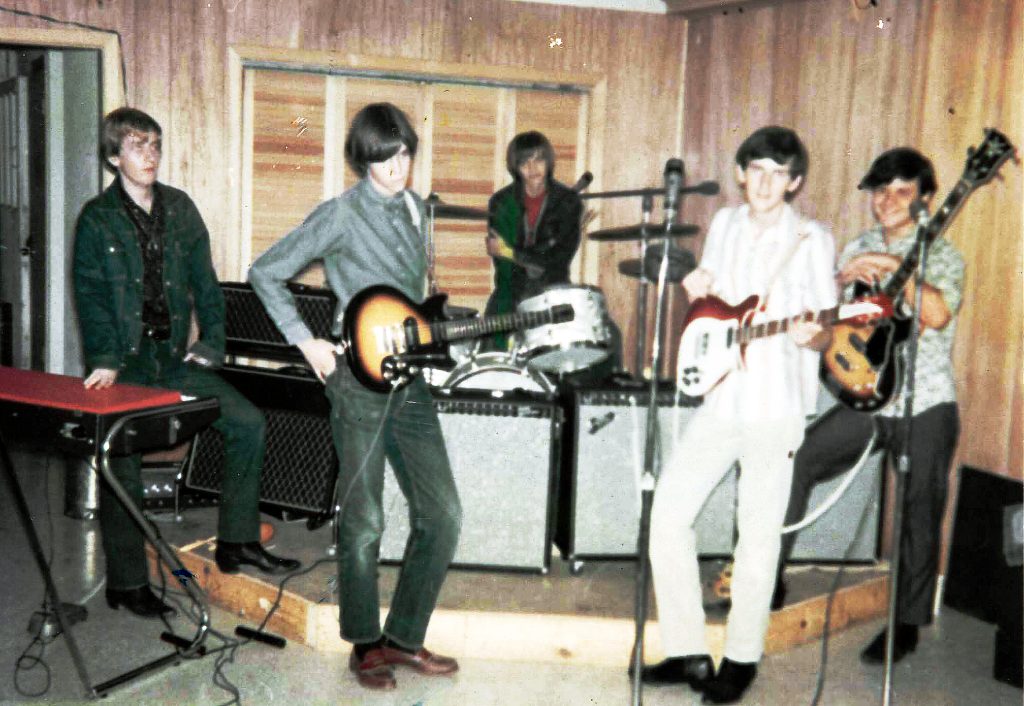
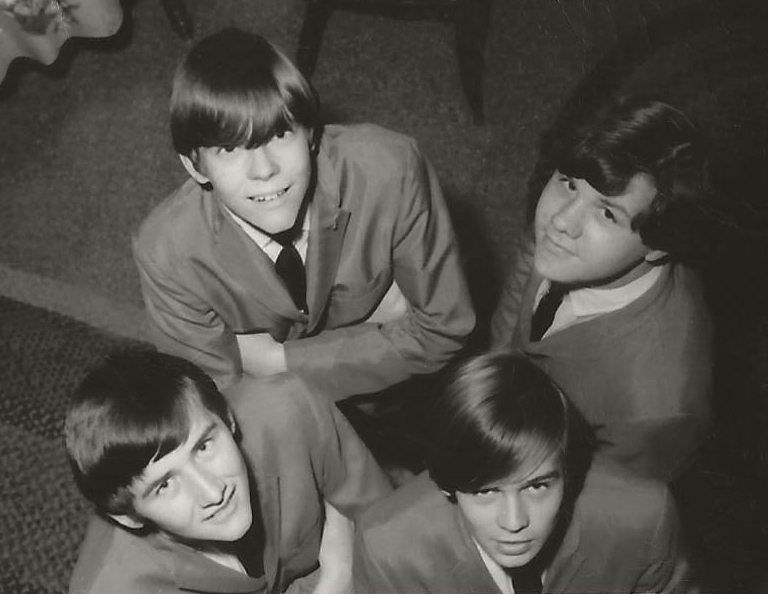
Ham’s recording career reaches back to the mid-1960s, when he was still a teenager. He played lead guitar and sang with the Nomads, one of the young Fort Worth bands that emerged during the explosion of garage rock, following the arrival of the Beatles and other British Invasion groups.
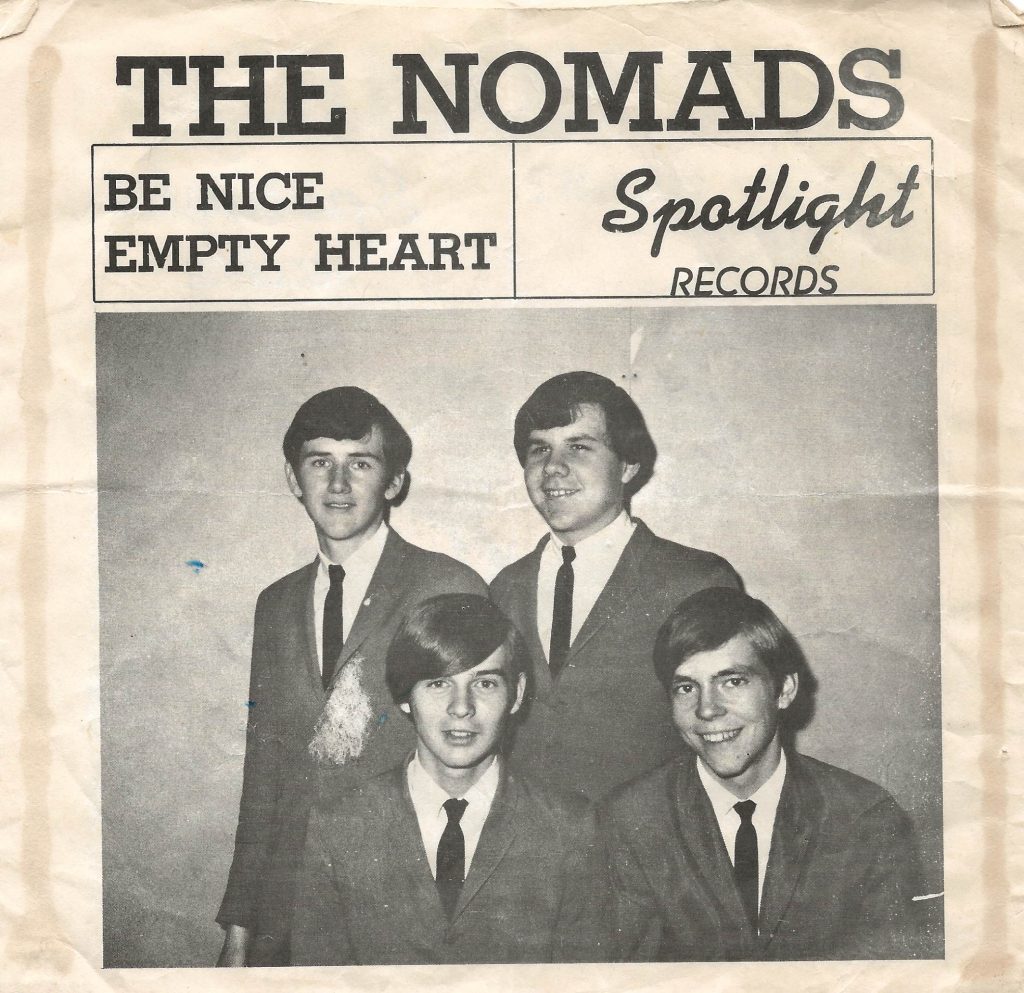
The Nomads included Wesley Harris on lead vocals, rhythm guitar, and harmonica; Bill Ham on lead guitar and vocals; Johnny Coleman on bass and vocals; and Larry Larsen on drums and vocals. In 1966, the group recorded the single “Be Nice,” backed with “Empty Heart,” using a two-track recorder in Grand Prairie. Only a small number of copies were pressed.
The record nevertheless survived long after the band itself. “Be Nice” was rediscovered by collectors of 1960s Texas garage rock and was eventually included on Back From the Grave, Volume 3, part of the influential compilation series devoted to obscure American garage recordings. The Dallas Observer later included “Be Nice” among its 100 best Texas songs.
Ham was approximately 15 when the record was made, placing him among the first generation of Fort Worth musicians who began playing rock ‘n’ roll professionally while still in their teens.
Ham was also part of The Rocks, another early Fort Worth group whose membership connected him to musicians who would become important in the North Texas rock scene. Among them was keyboardist Stevie Hill, who later became a member of Bloodrock.
Hill remembered Ham specifically as the Rocks’ guitarist, and recalled the close musical relationship that developed among Bill, Warren and the musicians who eventually formed Bloodrock. Even after some of those musicians began touring nationally, they continued playing together when they returned to Fort Worth. Those early relationships would eventually lead both Ham brothers into Bloodrock’s extended musical family.
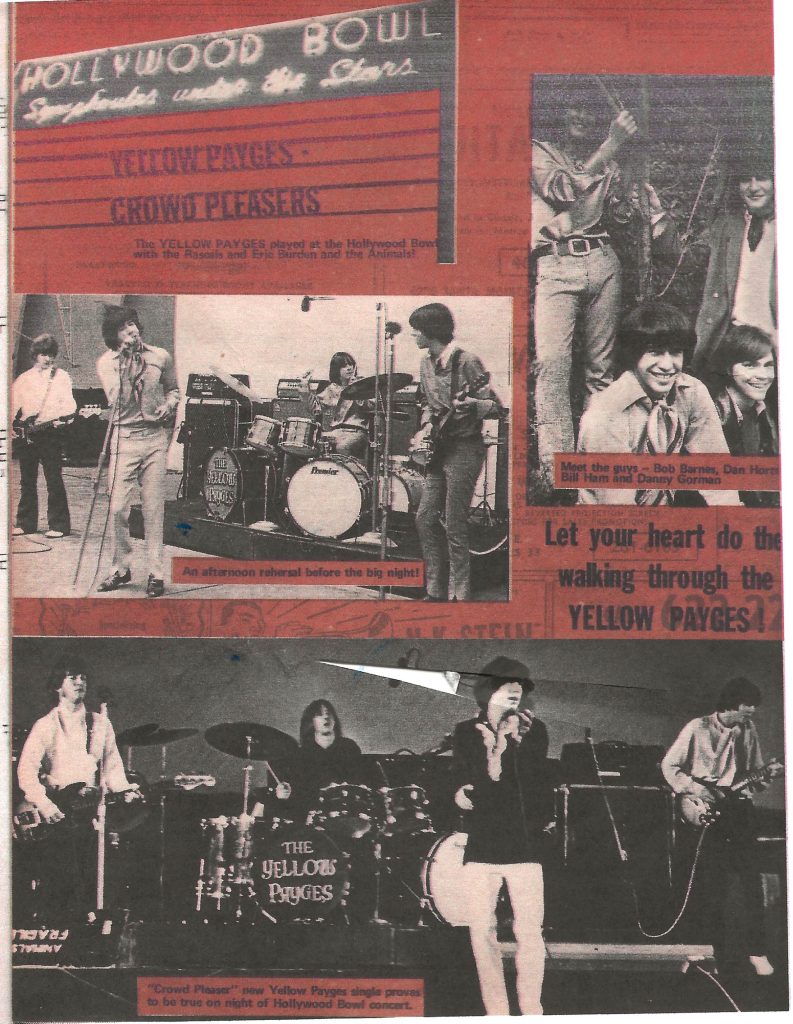
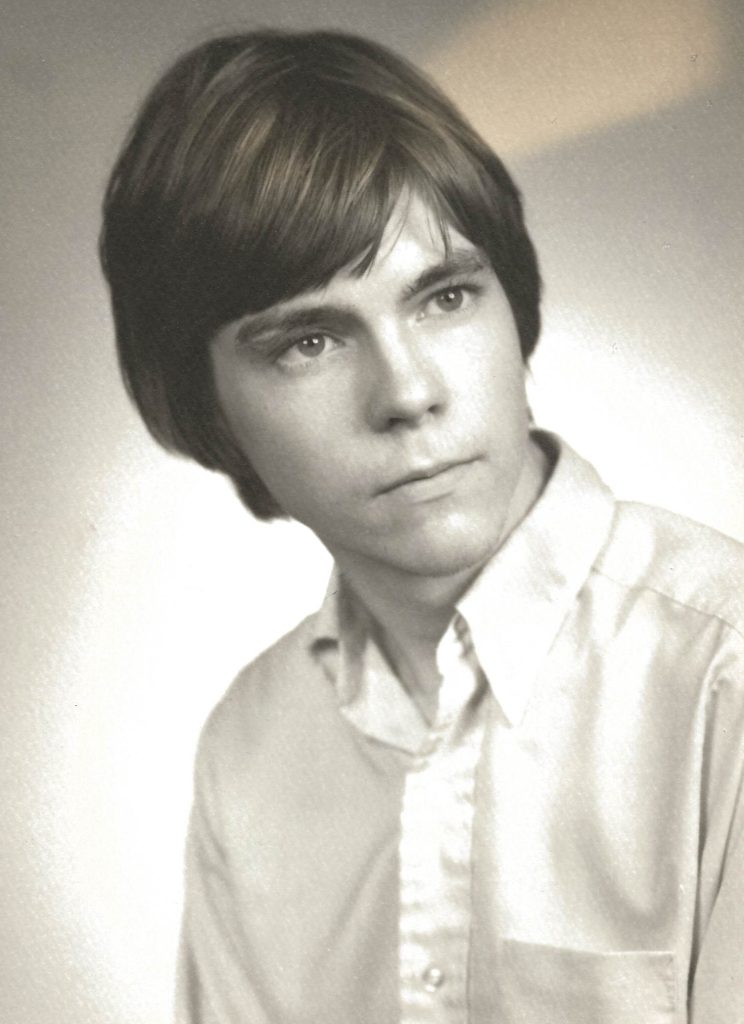
Ham’s first major national opportunity came with the Yellow Payges, the Los Angeles garage and psychedelic-rock band that had become a fixture of the Southern California scene. In 1968, Ham and fellow Fort Worth musician Bob Barnes joined the group, Ham as lead guitarist, and Barnes on bass. Ham was only 17.
The move placed him directly into the national rock circuit during one of its most active periods. The Yellow Payges appeared at the Hollywood Bowl on Aug. 16, 1968, on a bill with the Animals, the Rascals and Tommy James and the Shondells. The band toured with the Animals, and also spent an extended period opening for the Beach Boys. Ham was also briefly a touring member of The Animals during this period.
The Yellow Payges were also on bills with many of the era’s major rock acts, as it worked the late-1960s concert circuit. Ham also contributed original material. He and Yellow Payges singer Dan Hortter co-wrote “Crowd Pleaser,” and the pair is also credited with “The Two of Us.” Ham and Barnes became part of the band’s creative core during its later period. The Yellow Payges recorded for UNI Records and released Volume 1 in 1969.
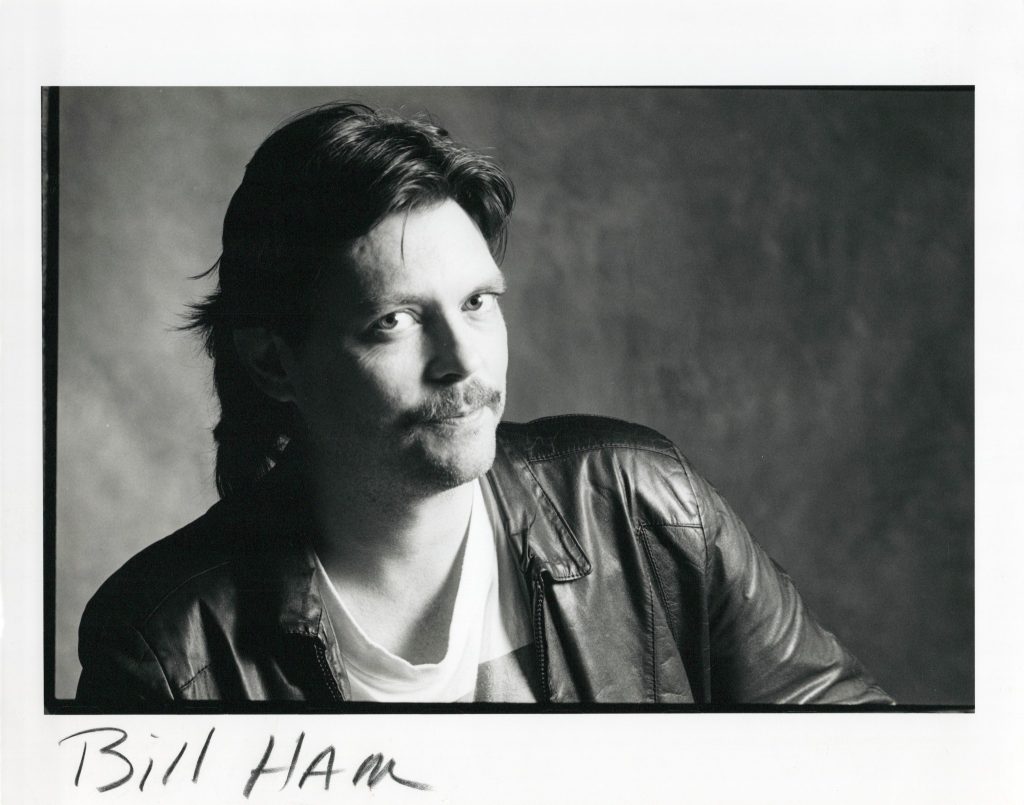
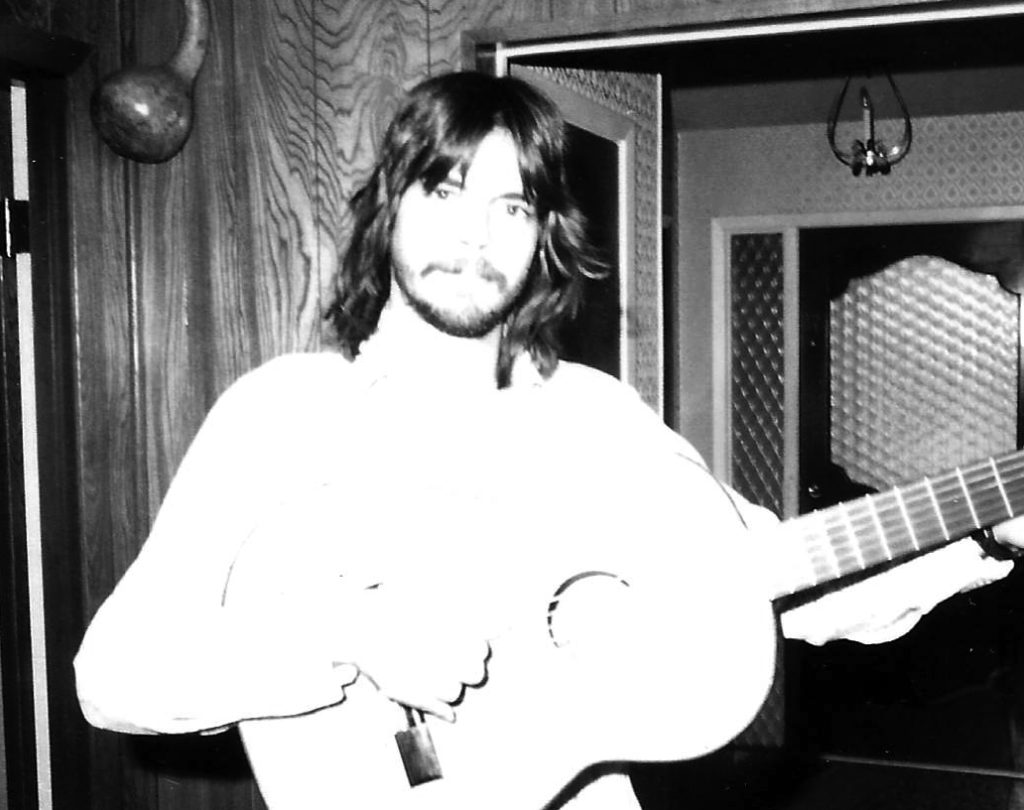
Buddy Magazine archive pubilicity shot of Ft Worth guitarist, Bill Ham. Mid-80s era.
Ham’s guitar playing during this period left an impression on other young musicians. Musician and producer Chris Stamey later recalled seeing the Yellow Payges in 1969, and specifically remembered Ham playing a small, double-cutaway sunburst Gibson Melody Maker. Recordings of Ham’s performances circulated among aspiring guitarists, who used the tapes to study his phrasing and playing. All this, before he was 20 years old.
Following the Yellow Payges, Ham moved increasingly into professional touring and session work. Ham moved among rock, pop, country, singer-songwriter music, and increasingly sophisticated jazz-influenced material, working both onstage and in recording studios.
Sonny & Cher
Among the most significant national engagements of Bill Ham’s career was his work as lead guitarist with Sonny & Cher, followed by continued work later with Cher as a solo artist.
Ham joined the professional touring world surrounding Sonny Bono and Cher after his earlier work with the Yellow Payges. After Cher established herself independently, Ham continued working as one of her guitarists. A Billboard review of Cher’s 1979 concert performances singled out the quality of her backing musicians and specifically identified Jeff Porcaro on drums and Bill Ham on guitar.
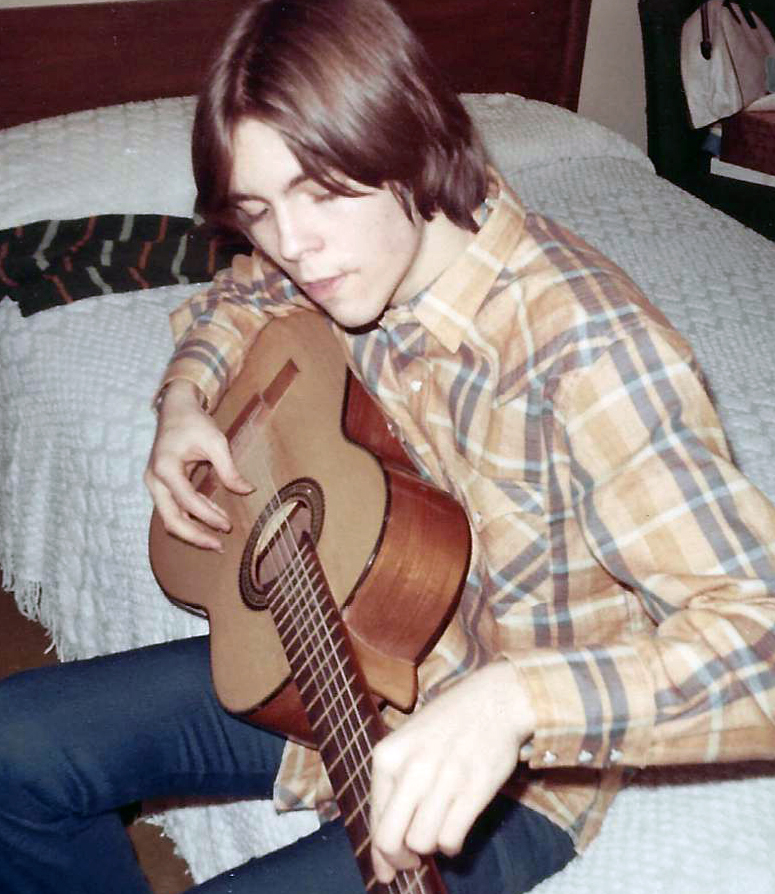
Porcaro, who was simultaneously establishing Toto and becoming one of the most sought-after studio drummers of his generation, and Ham were part of the professional band supporting Cher during this period. Warren also became part of Cher’s musical circle, playing saxophone and other instruments with her.
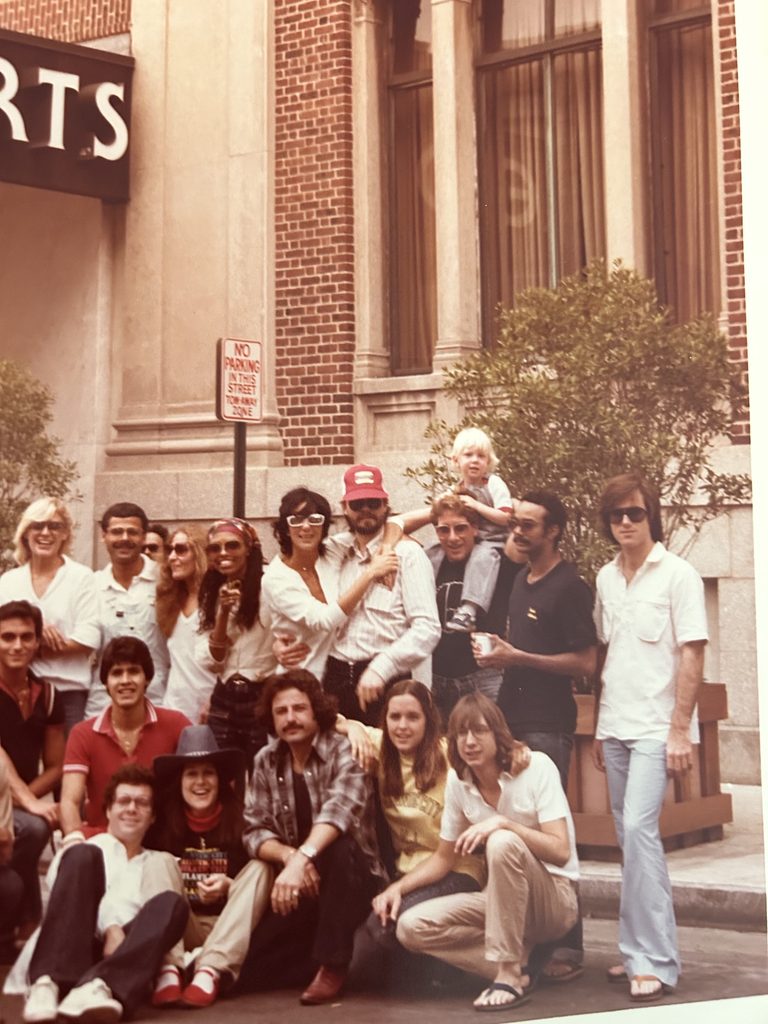
Cher herself later wrote about Ham in her memoir while recounting the difficult final period of her marriage to Sonny Bono. She remembered Ham as a member of the touring band whom she had initially been discouraged from socializing with outside performances. Cher remembered him not simply as “the guitarist” in her band, but as an individual musician she noticed because of the sensitivity of his playing and the attention he paid to her performance. His association extended into Cher’s subsequent solo career. For Ham, it was one of several major touring assignments during an extraordinarily active period.
By the end of the decade, the Fort Worth guitarist who had begun recording with the Nomads as a teenager had worked with the Yellow Payges, Sonny & Cher, Cher, the Carpenters, Freddy Fender, Bloodrock, Joan Armatrading and David Gates and Bread – moving between some remarkably different musical settings while establishing the versatility that defined his career.
Freddy Fender
Ham also became part of the network of musicians working around legendary Texas producer Huey P. Meaux and Houston’s Sugar Hill Recording Studios during Freddy Fender’s extraordinary commercial run in the 1970s. Ham played lead guitar on Fender recording sessions as early as 1974. Over subsequent sessions, Ham was credited not only on electric and acoustic guitar, but also on bass and percussion, evidence of the versatility that characterized his professional work.
Ham is among the musicians credited on Fender’s 1976 album If You’re Ever in Texas. Warren Ham is also credited, playing flute. Bill also appears among the guitarists credited on Fender’s Rock ‘n’ Country.
Those sessions placed Ham within an important chapter of Texas recording history. Meaux’s productions blended country, rock ‘n’ roll, rhythm and blues, Cajun and Gulf Coast influences, and Fender’s mid-1970s recordings reached an enormous national and international audience.
Bloodrock
Warren joined Bloodrock in the early 1970s as a vocalist and multi-instrumentalist, contributing saxophone, flute, and harmonica, as the group evolved beyond the heavy rock sound of its early records. Bill subsequently played guitar with the band’s later incarnation.
His guitar work is represented on material eventually collected on Triptych, a two-disc Bloodrock release containing Passage, Whirlwind Tongues and previously unreleased recordings from the band’s later period
The Bloodrock connection also produced one of the more telling anecdotes concerning the confusion between the two Texas musicians named Bill Ham. When an interviewer at Hard Rock radio asked Hill whether Bloodrock’s Bill Ham was the man who managed ZZ Top, Hill immediately corrected the identification: this was Warren Ham’s brother, the guitarist.
Hill joked that elsewhere the guitarist probably had to explain the confusion constantly, but “in Fort Worth he’s the real Bill Ham.”
The Ham Brothers
Bill and Warren also created music under their own name. By the mid-1970s, the Ham Brothers Band was active in Fort Worth, bringing together musicians whose careers extended well beyond the local club scene. One lineup included Bill Ham on guitar, Warren Ham on vocals and multiple instruments, Red Young on keyboards, Ira Wilkes on bass and Dahrell Norris on drums.
Red Young, another highly regarded Fort Worth musician, joined the Hams around 1974 after returning to Texas from touring with singer Lloyd Price. The Ham Brothers eventually came into the orbit of Huey Meaux. With Meaux and Mickey Moody producing, they recorded an album for Ariola America.
A contemporary Cash Box report from December 1976 said the Ham Brothers were recording at Meaux’s MCJ/Sugar Hill operation and identified the project as Hard Core Woman, then scheduled for release in early 1977. The album included material such as “Hard Core Woman,” “Chicken Dinner,” “Party Down on the Bayou” and “Virgin From the Virgin Islands.”
Although the record did not become a major commercial success and later became relatively obscure, it remains an important artifact of Bill and Warren Ham’s musical partnership and of the brothers’ relationship with the Texas studio community surrounding Meaux.
Joan Armatrading
By the late 1970s, Ham was working internationally. He toured with British singer-songwriter Joan Armatrading, whose sophisticated combination of folk, rock, pop, blues and jazz required musicians capable of moving easily among styles.
A surviving recording of Armatrading’s April 17, 1978, concert in Amsterdam documents a touring band that included Armatrading on vocals and guitar; Bill Ham on guitar; Red Young on keyboards; Quitman Dennis on saxophone and flute; Steve Brantley on bass; and Matt Betton on drums.
Ham’s presence in the group also demonstrates the continuing professional network among musicians with North Texas connections. Young had previously worked alongside Bill and Warren in the Ham Brothers Band.
David Gates and Bread
Later in 1978, Bill and Warren Ham were together again on the road, this time with David Gates. Gates, the singer, songwriter and multi-instrumentalist who had led Bread through a string of major 1970s hits, was touring during this period under the David Gates & Bread name. The 1978 touring group included Gates, Bob Parr on bass, drummer Mike Botts, keyboardists Ken Rarick and Larry Knechtel, along with Warren Ham on woodwinds, keyboards and backing vocals, and Bill Ham on guitar.
It was another high-profile assignment that required musicianship rather than showmanship alone. Gates’ catalog relied heavily on carefully constructed arrangements, vocal harmonies and restrained instrumental parts, making Ham’s role very different from the aggressive guitar work of his teenage garage and psychedelic-rock years. That ability to adapt became one of the defining characteristics of his career.
The range of Ham’s work is particularly striking when viewed across his career. From starting as a teenager who played raw Fort Worth garage rock with the Nomads became a psychedelic-rock guitarist with the Yellow Payges, becoming a a national touring sideman, then a Texas country and pop studio musician, to being a member of the progressive later incarnation of Bloodrock, and eventually a guitarist increasingly associated with jazz and blues. He could play what the music required.
That versatility helps explain why Ham’s name repeatedly appears alongside musicians whose own styles had little obvious connection to one another. Freddy Fender, Joan Armatrading, Sonny & Cher, the Carpenters, David Gates and Bloodrock occupied very different musical worlds. He was able to work within all of them.
Full playlist featuring a wide variety of performances by Bill Ham on YouTube: https://www.youtube.com/watch?v=UfrueCjjptE&list=PL_3hz1fTnHtf1VCMSIFuGZimP-7G5NOYH
The Dallas Observer, writing decades later about the Nomads’ “Be Nice,” referred to Ham as a “future jazz guitarist” – a concise description of just how far his playing traveled from the teenage garage-band record he made in 1966.
Ham eventually passed that accumulated experience to younger musicians. Guitarist and songwriter John Dennie recalled no meeting Ham at The Hop in Fort Worth, and subsequently studying guitar with him. Dennie credited Ham with teaching him the mechanics of the instrument and strengthening his commitment to becoming a musician, later describing his teacher as one of the great Texas guitarists. Eric Johnson told Buddy Magazine that Ham had showed him things during his early development that provided critical breakthroughs in his own playing.
For all the miles traveled during his career, Fort Worth remained Ham’s musical home. He continued performing in North Texas after his years of national and international touring, becoming part of the city’s jazz, blues, roots and working-musician communities.
In 1996, the Dallas Observer noted his participation as a guitarist in a theatrical production built around the music of Patsy Cline while mentioning his experience as a former sideman with Sonny & Cher, the Carpenters and Bread. More than a decade later, Fort Worth Weekly was still documenting his appearances around town. A 2009 entertainment column announcing one of his performances at Keys Lounge opened simply: “Always good to see Bill Ham in action.”
He remained connected to the city’s blues and roots musicians in the following years, one of a generation of Fort Worth players whose careers linked the city’s musical past with its contemporary scene.
Bill Ham’s career is difficult to summarize with a single famous band or recording, and that may partly explain why the full extent of his work has often been overlooked: His was the career of a working musician.
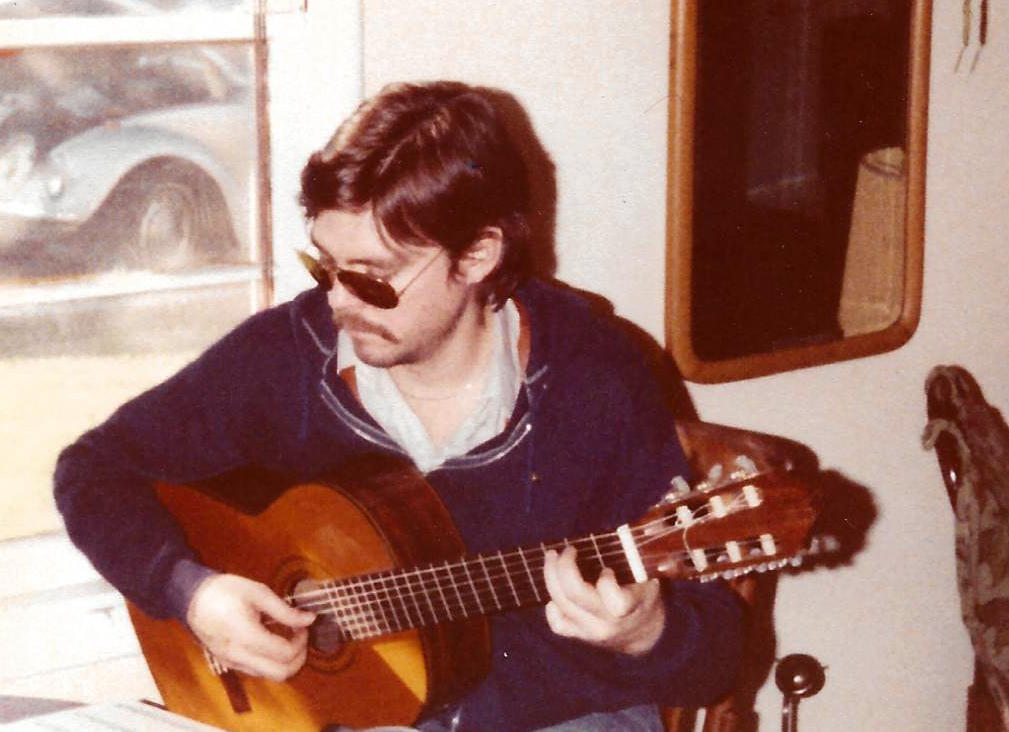
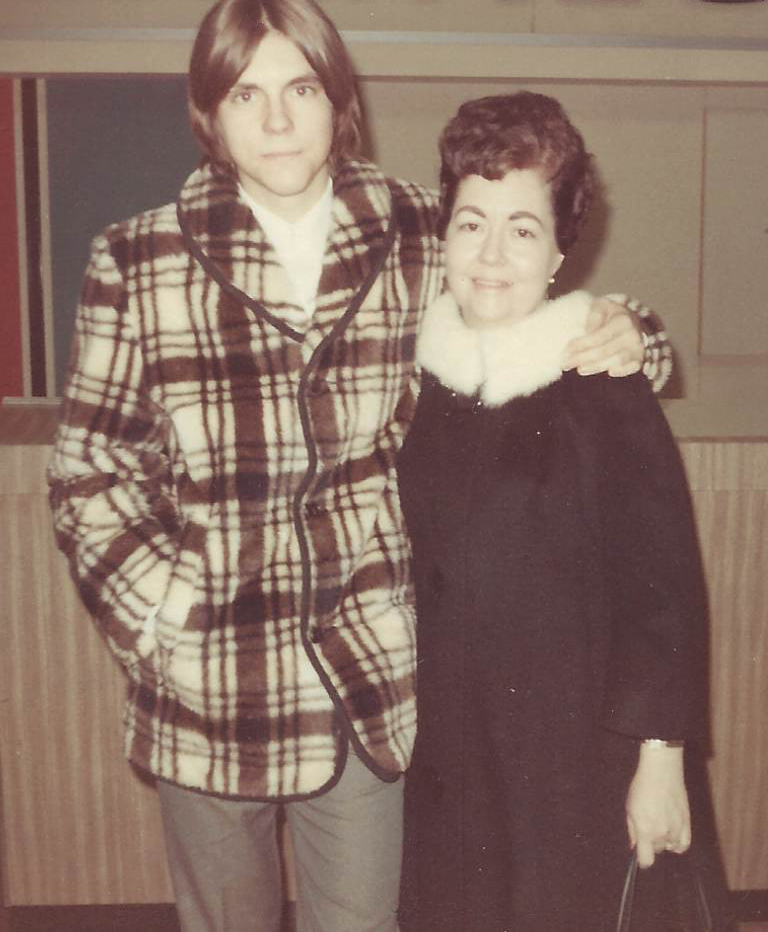
He began making records as a Fort Worth teenager in the mid-1960s, became a nationally touring guitarist before he was 20, played the Hollywood Bowl, wrote and recorded with a major-label psychedelic-rock band, worked as a touring sideman for major artists, participated in the Texas studio scene, recorded and performed with his brother, crossed into jazz and blues and ultimately taught some of what he had learned to other guitarists who would also do great things.
His musical life also provides a thread through several distinct chapters of Texas music history: the Fort Worth garage-rock explosion of the 1960s; the rise of Bloodrock and Texas heavy and progressive rock; Huey Meaux’s Houston recording world and Freddy Fender’s 1970s success; the professional touring circuit of that decade; and the Fort Worth jazz and blues community to which Ham repeatedly returned.
For musicians who knew his playing, the résumé told only part of the story. Chris Stamey‘s recollection of young guitarists circulating tapes and studying Ham’s phrasing captures something that lists of famous employers cannot: other musicians listened to Bill Ham because they wanted to understand how he played. Decades later, students sought him out for the same reason.
Across a career that began when he was still a boy, Ham remained what he had been from the beginning – a working Fort Worth guitar player whose life was built around playing music.
“When I hear it said that someone is a “musician’s musician,” I always think of Bill. By definition, a musician’s musician is one who is deeply respected, admired, and influential among other professionals, often without achieving mainstream commercial success or fame. That was certainly Bill Ham. It doesn’t take a lot of research to make a long and diverse list of world-class musicians that have come out of the town of Cow. Maybe there is something in the water down here, but Bill was especially gifted. It was in his DNA.
Bill experienced great success outside of our hometown of Ft. Worth but chose to stay close to home. I never asked him why. I knew that his answer would most likely be “been there, done that.” To share space on the bandstand or in the recording studio with Bill was nothing short of exhilarating and an experience that I was fortunate to experience more times than I have memory left. Bill made you a better musician just by being in his presence, he was such a force.
His talents and capacity to absorb and learn were so advanced and above everyone else that he had no equal. Like all true artists, there were things about Bill that could be hard to understand or sort out, but I understood that all too well and totally accepted it. Bill did it his own way, and that has to be respected. I’ll be forever grateful that the stars aligned so I could be in Fort Worth and see him a couple of days before he passed. Rest in peace, my old Friend. Save me a spot on the bandstand.”
James Pennebaker
“I’m heartbroken. I know I’m not the only one, but Bill was family. I think I may have been sixteen or seventeen when he first told me he considered me in that way, and I don’t think I’ve ever felt more honored by anyone since. He was, after all, my teacher first, and then my friend and brother. So, yes I’m heartbroken for the loss of another dear friend, but I’m also tremendously heartbroken for the hole his departure has left in the world. Good lord, we need more creative beauty in the here. Bill’s playing was at once powerful, graceful, heart rending and restorational. Very few guitarists can pull all of that off in a single night, much less a single song. Bill could.”
John Dennie
—


